 Skip to content
The iterative process of building, evaluating, and improving simplified physical or digital versions of a product prior to final production is known as prototyping.
Before a product is produced on a large scale, design concepts are tested and improved using a prototype. Product concepts may be quickly turned into working prototypes in a matter of hours thanks to the incorporation of CNC technology. Continue reading the next sections to obtain a thorough grasp of the capabilities and uses of Prototyping technology.
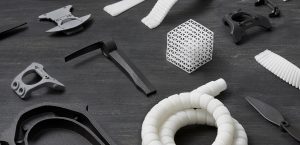
What is Prototyping?
Essentially, prototyping is the initial iteration or model of a product. Before design thoughts are put into full-scale production, they can be tested, improved, and validated thanks to their actual embodiment.
Early in the development phase, prototyping reduces production risks and provides insightful customer feedback, guaranteeing a successful and economical end product.
How does Prototyping work?
Using CAD software, a digital design is created to start the prototyping process. After that, this design is converted into G-code, or machine code. With the use of cutting tools, the CNC machine uses this code to accurately cut or shape the selected material, creating a high-fidelity prototype.
Advantages of Prototyping
- Fast Turnaround Time: CNC machining and rapid production allow for the simultaneous design and evaluation of several design concepts. This allows for the examination of multiple design iterations to determine the optimal solution.
- Pre-Production Test Parts: CNC machining may produce pre-production prototypes that are 99 percent similar to the production process. This gives companies the chance to test fixtures, assembly methods, etc. before going full steam and spending money on tools.
- Cost-effectiveness: CNC machining reduces initial expenses, which is especially helpful for complex designs and lower production volumes. Modifying CAD files allows for design modifications at a negligible additional expense.
- Material Versatility: CNC machining provides versatility in the choice of materials for prototypes by enabling the simulation, testing, and validation of many material possibilities earlier in the design cycle.
The Drawbacks of Prototyping
- Material Waste: Since CNC machining is a subtractive process, material waste is inevitable, particularly when working with costly or scarce resources.
- Restrictions on Tool Access: When it comes to gaining access to intricate interior workpiece elements, CNC machine tooling has restrictions. Consider using 3D printing technologies to get around these restrictions.
- Price of components: Tighter tolerances may slightly increase the price of the components. The smaller the tolerance, the tighter the tolerance zone, and the more expensive the parts.
- High and thin walls: Thin walls (0.020 inches or less) are prone to fracturing during the manufacturing process and may bend or warp after machining.
- Surface Treatment: The post-processing requirements usually increase, such as surface roughness or need of finishing services.
Why Can Prototyping Be Done Using CNC?
Manufacturing prototypes by hand is a time-consuming and inaccurate operation. But with the advent of Computer Numerical Control (CNC) technology, the prototyping process has undergone a radical change, becoming more accurate and effective.
CNC is a manufacturing process in which computer software that has been preprogrammed controls machines. It entails carefully cutting or molding materials like metals and plastics to turn digital designs into tangible prototypes.
How much time does it typically take to process a CNC prototype?
Simple Prototype: Processing time for prototypes with simple geometry might range from four to eight hours. These designs frequently require fewer machining passes and fewer tool changes.
Medium Complexity: Several tool adjustments can be necessary for prototypes with more complex designs. The processing time can range from 8 to 24 working hours .
Highly Complex Prototype: Considering the careful machining, many setups, and precise changes needed, processing timeframes for such prototypes might be anywhere from three to six weeks.
Additional Approaches to Prototyping
There are several ways to succeed, and the following extra techniques may provide your project more dependable choices:
3D Printing
Using a digital model as a guide, 3D printing, sometimes referred to as additive manufacturing, builds an actual product layer by layer.
It works especially well for making intricate geometric designs. It is constrained, nevertheless, in terms of post-processing needs, layer resolution, and material compatibility.
Injection Molding Prototyping
Melted material is injected into a mold to create a part in the manufacturing process known as injection molding. Injection-molded prototyping has the benefit of mimicking the characteristics of the finished product, which makes it appropriate for large production runs. But it’s crucial to keep in mind that this process comes with lengthier lead times and hefty upfront tooling expenses.
Prototypes for Casting
Casting is the process of creating a prototype by pouring a liquid material into a mold and letting it solidify. Metals and plastics are among the many materials that can be worked with using this technique. It is more economical to produce in small batches. However, because of the low surface finish, it needs post-finishing and has mold charges.
Conclusion
The speed at which CNC technology turns drawings into prototypes is consistent with your dedication to efficiently and quickly fulfilling client expectations.
At RPM Fast, we offer assistance throughout your production process, even beyond prototype as you experiment with it.
