
 Skip to content
 At RPM Fast, we don’t just 3D print parts — we help you turn your ideas into real, functional products. Whether you’re working on a prototype, testing a design, or need small batch production, we focus on making the process simple, fast, and reliable.
Every project is different, and we understand that. That’s why we take time to understand your requirements and suggest the best approach so you get exactly what you need without wasting time or money.
3D printing, or additive manufacturing, builds parts layer by layer instead of cutting them from solid material. This approach makes it easier to create complex shapes, reduce material waste, and speed up production.
It’s especially useful when you need:


MJF is a great option when you need strong, production-ready parts with consistent quality.
Parts made with this technology are:
It’s often used for engineering parts, enclosures, and components that need to perform under pressure.
Materials
FDM is one of the most cost-effective 3D printing methods, especially for functional and larger parts.
It works well for:
With a wide range of materials available, FDM gives you flexibility in strength, durability, and heat resistance.
Materials
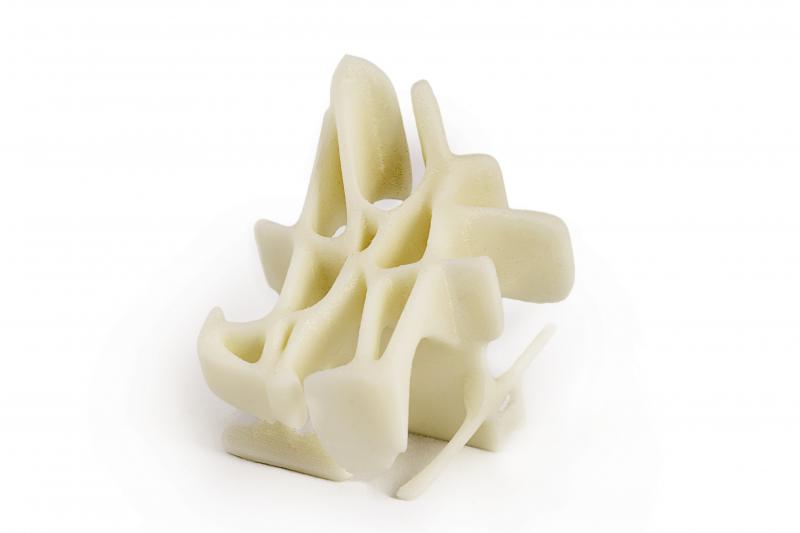

SLA is known for its high level of detail and smooth surface finish.
It’s a good choice if you need:
This makes it ideal for presentations or designs where appearance matters.
Materials
Carbon 3D is a resin-based technology using digital light synthesis to form complex parts. The new technology produces parts that mimic injection molded like qualities. The parts are isotropic, have exceptional surface finishes, and excellent mechanical properties, making the technology a great option for low volume production as well as high-end prototypes.
Materials
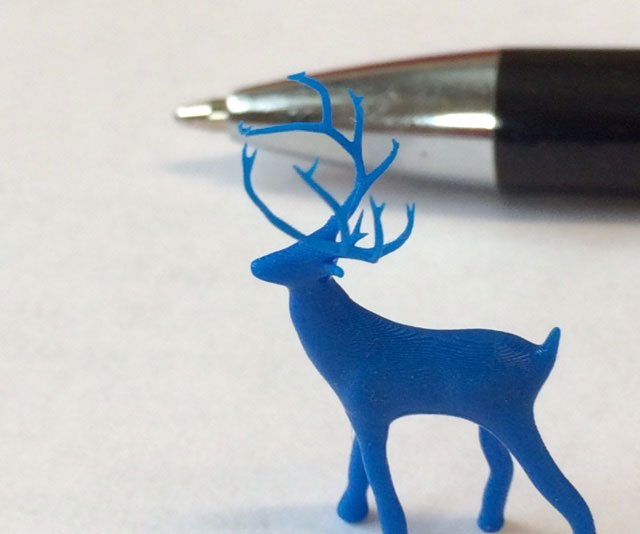

SLS is perfect for complex designs where support structures are not ideal.
Key benefits include:
It’s widely used for functional parts, enclosures, and mechanical components.
Material Options
PolyJet allows you to combine multiple materials and colors in a single print.
This is useful when you need:
It’s often used for design validation and presentation models.
Materials

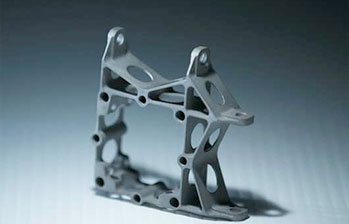
When plastic isn’t enough, DMLS allows you to create strong metal parts with high precision.
It’s ideal for:
This method gives you the strength of metal with the flexibility of 3D printing.
Material Options
Fast turnaround times
Reliable and consistent quality
Guidance on materials and processes
Solutions tailored to your project
We don’t just take orders — we help you make the right decisions for your project.
3D printing, also known as additive manufacturing, is a process where parts are built layer by layer from a digital design. Instead of cutting material away like traditional methods, it adds material only where needed, making it efficient and flexible for complex designs.
We offer a range of technologies including MJF, FDM, SLA, SLS, PolyJet, and metal 3D printing (DMLS). Each method has its own strengths, and we help you choose the right one based on your project requirements.
It depends on what you need.
If you’re unsure, we can guide you based on your design and use case.
It depends on what you need.
If you’re unsure, we can guide you based on your design and use case.
Turnaround time depends on the size, complexity, and material of your part. Some simple prototypes can be ready in a few days, while more complex or metal parts may take longer. We always aim to deliver as quickly as possible without compromising quality.
 Optimized by Seraphinite Accelerator