 Skip to content
From Prototype to Production: Planning the Transition
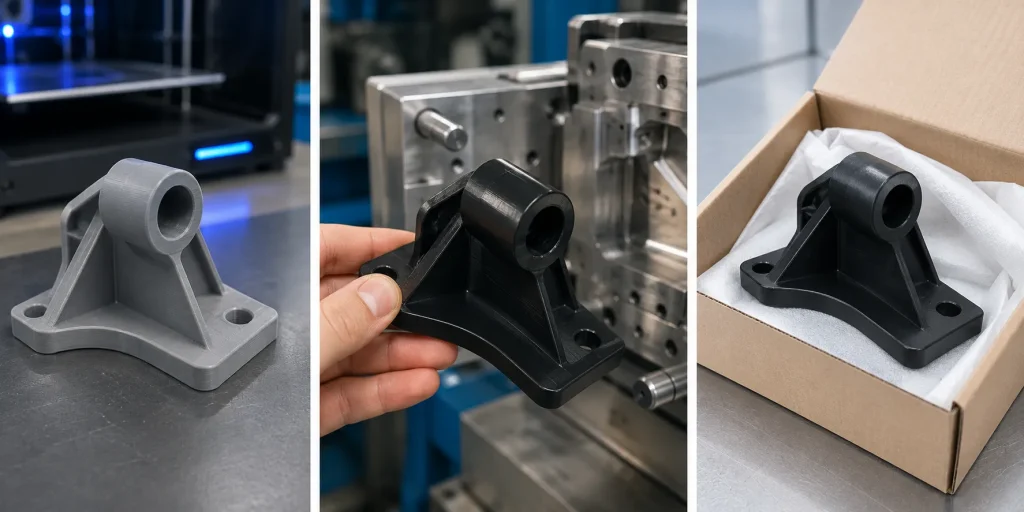
From Prototype to Production: How to Plan Your Manufacturing Transition The gap between a validated prototype and a production-ready product is where most manufacturing programs experience their costliest problems. A design that passed every prototype test can still fail in production if the wrong process was used for testing, the material spec was not locked, […]
CNC Machining vs. Injection Molding for Prototyping
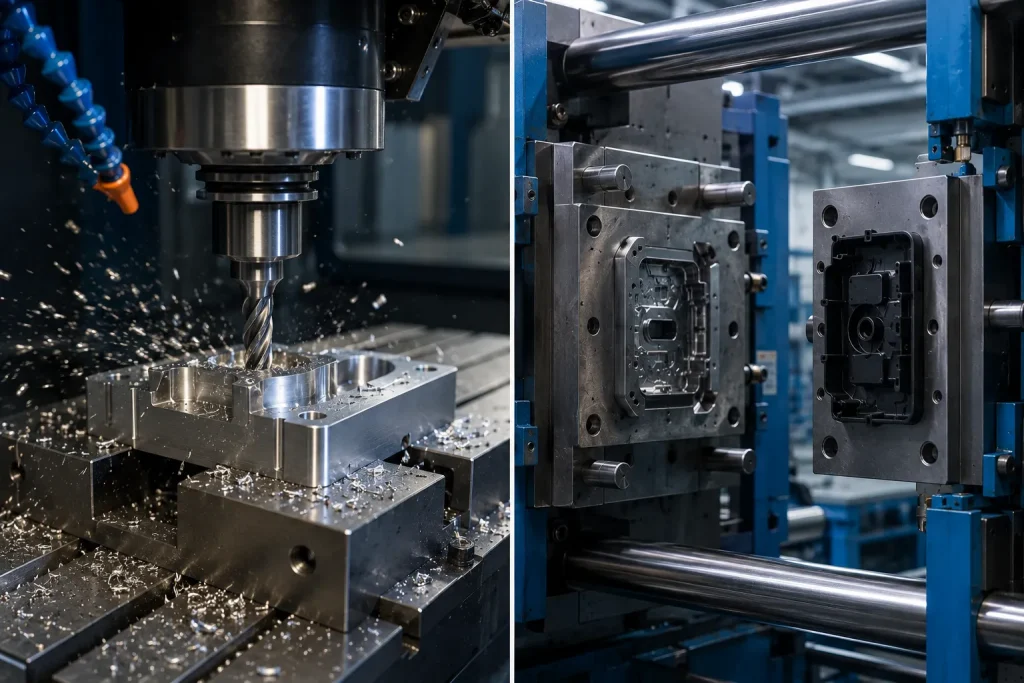
CNC Machining vs. Injection Molding: Which Process Wins for Prototyping? Both CNC machining and injection molding produce precise, production-capable parts. Both are used throughout product development. And both are frequently chosen for the wrong reasons, leading to either over-engineered prototypes or premature tooling commitments that need to be unwound. The decision between them is not […]
DFM for Injection Molding: 10-Point Checklist for Engineers
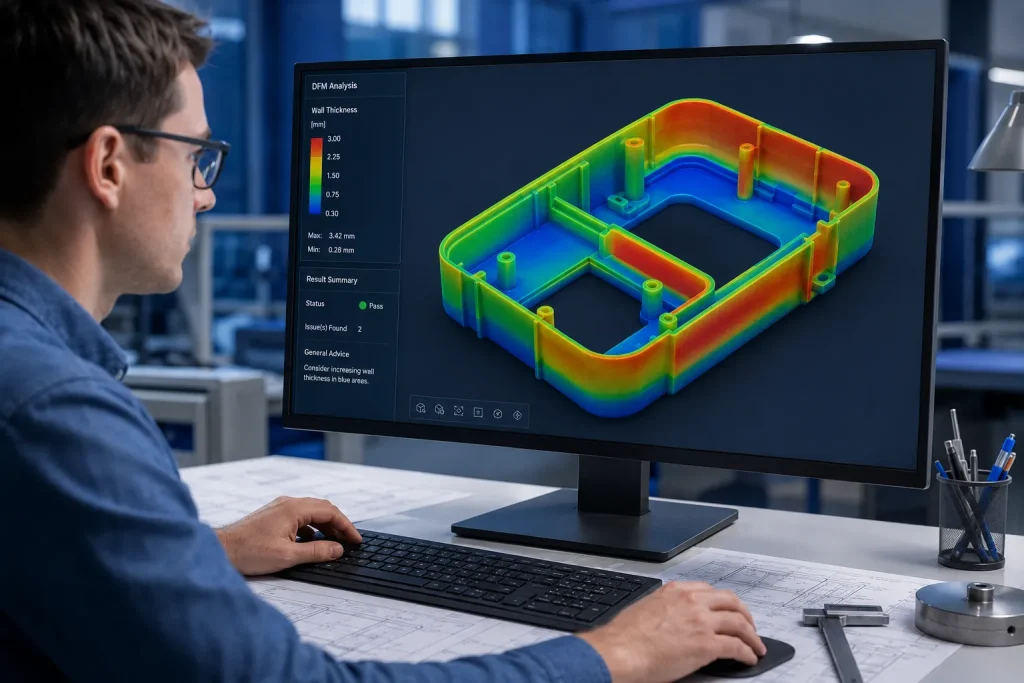
Design for Manufacturability (DFM): A Checklist for Injection Molded Parts A mold modification costs between $500 and $20,000 depending on what needs to change and the tooling material. Most modifications are preventable. They happen because geometry that looked correct in CAD was not reliably producible by injection molding, and nobody caught it before the tool […]
Gravity Die Casting vs Sand Casting: Key Differences, Benefits & Best Uses
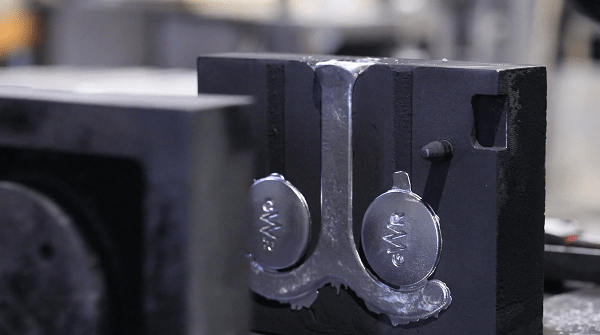
Gravity Die Casting vs Sand Casting: Key Differences, Benefits & Best Uses Because of its overall performance, cost, and adaptability, gravity die-casting is a frequently used manufacturing method in many different industrial applications. Sand-casting and die casting are the two most used techniques. Since both approaches offer benefits and drawbacks, there have been many debates […]
Laser Cutting Design Tips: 10 Costly Mistakes to Avoid
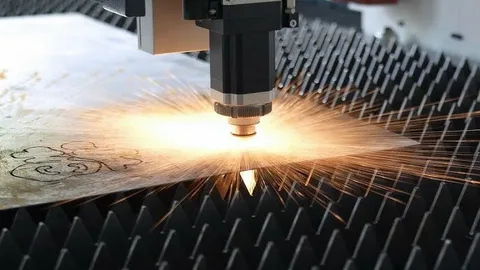
Laser cutting is a mainstay in US manufacturing, valued for its precision, speed, and adaptability across stainless steel, aluminium, and carbon steel projects. Yet, even experienced engineers and designers can make simple errors that impact finished components leading to increased costs, poor edge quality, or unnecessary production delays. Why Laser Cutting Designs Fail (and How […]
Prototyping vs Production: Key Differences Explained

Prototyping and production differ primarily in purpose, volume, and cost structure. Prototyping focuses on rapid, low-volume testing of ideas using flexible methods like 3D printing, with high per-unit costs. Production emphasizes high-volume, cost-effective manufacturing, utilizing durable tooling, consistent quality control, and lower per-unit costs. Understanding the distinctions between prototyping and production is crucial when trying […]
5 Axis Milling: Process, Benefits & Industry Uses
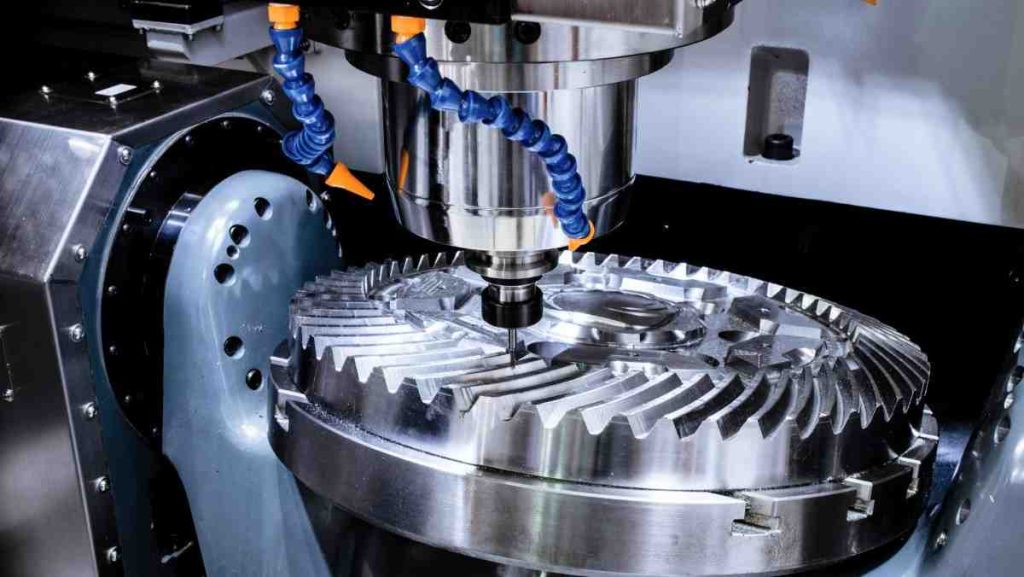
5 Axis Milling: Process, Benefits, and Applications in Modern Manufacturing 5 Axis Milling is an advanced CNC machining process that allows cutting tools to move along five different axes simultaneously. This capability enables manufacturers to machine complex geometries and multiple surfaces in a single setup, improving both efficiency and accuracy. Once limited to specialized industries […]
Laser Cutting: Process, Types, Advantages & Uses

Laser Cutting: Process, Types, Advantages, and Applications “Laser” refers to “Light Amplification by Stimulated Emission of Radiation,” which describes the physical science required to produce laser light. Laser Cutting is a technology that works well for producing precision two-dimensional parts in large quantities. These days, laser cutting is a common method for cutting a wide […]
5 Axis Milling: Process, Benefits & Applications
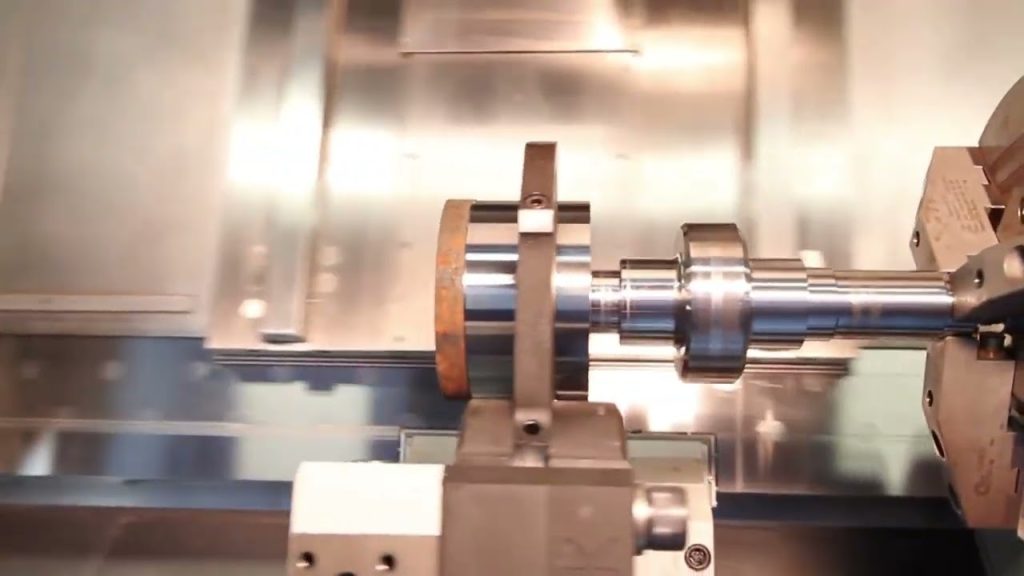
5 Axis Milling: Process, How It Works, and Key Industry Applications 5 Axis Milling is an advanced CNC machining process where a cutting tool moves across X, Y, and Z linear axes while the part or head rotates on two additional rotary axes (A, B, or C). Some of the best-quality items are produced by […]
Quick Turn Fabrication: Understand Its Fabrication and PCB Assembly
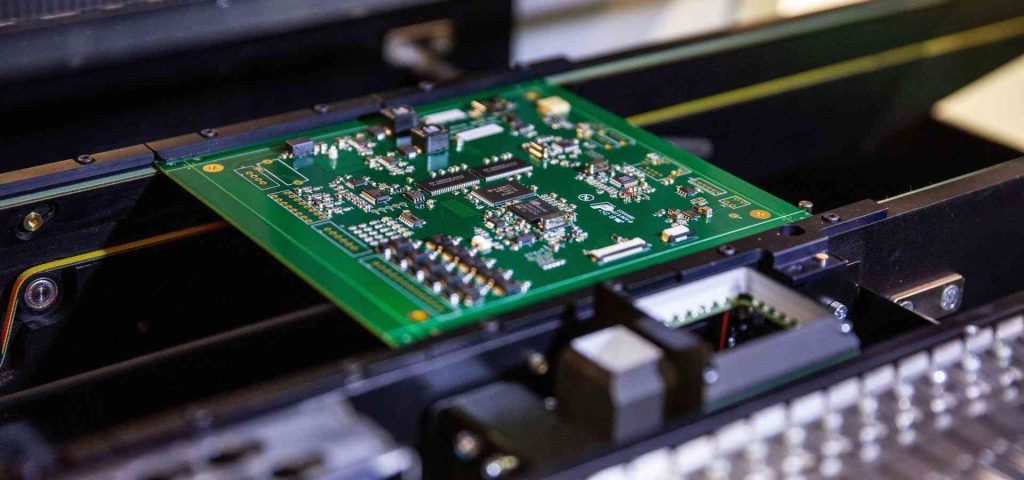
Quick Turn Fabrication: Understand Its Fabrication and PCB Assembly Quick turn fabrication, also known as rapid turn fabrication, is a manufacturing method that is similar to typical PCBs but is expedited and streamlined to match the shorter timescale. Quick-turn PCBs, as their name implies, are designed to be completed quickly. They are perfect for prototypes […]
